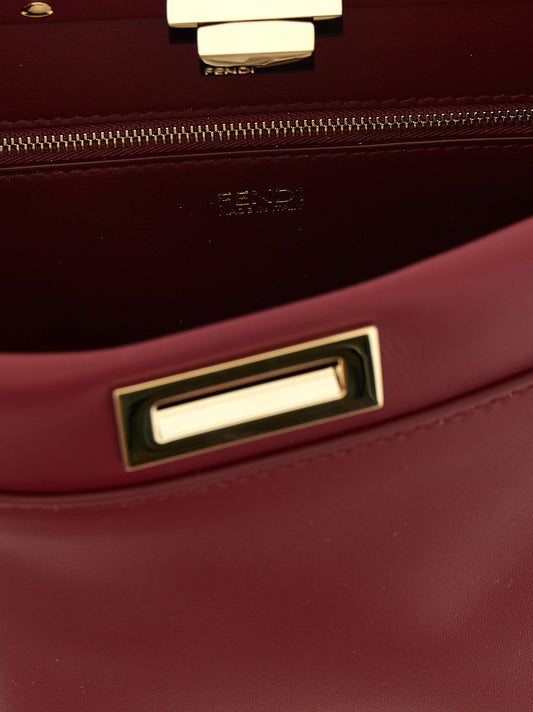
How to Choose the Right Designer Bag for You

The wrong bag is not always a question of taste. More often, it is a question of fit — a bag that does not match how you live, what you carry, or what you already wear. This guide cuts straight to the three decisions that determine whether a bag works for years or quietly disappears into the back of your wardrobe.
Part one: match the bag to your life
Before you think about brand or price, think about your day. A bag that does not suit how you actually move through the world is a bag you will stop reaching for — no matter how beautiful it is.
If your day is mostly professional
You need structure. A shoulder bag or a tote with a firm base, clean lines, and enough interior organisation to find your phone without emptying everything. The Furla Metropolis, the Tory Burch Emerson, the Marc Jacobs The Sack — these are bags built for women who spend most of their day in meetings, not markets.
Look for: adjustable or removable strap, zip or secure closure, at least one interior pocket.
If your day is varied — office, errands, dinner
Versatility is the priority. You want a bag that transitions without looking out of place in any setting. A medium shoulder bag in a neutral colour is the most reliable answer. Avoid anything too structured (hard to adapt) or too casual (reads wrong in formal settings).
Look for: medium size, day-to-night silhouette, subtle hardware.
If you travel frequently
Practicality over everything. A crossbody bag keeps your hands free and your valuables secure. A bag with multiple compartments means you can organise your essentials and find them without unpacking at a security gate. Avoid bags with complicated fastenings or delicate materials that do not survive the wear of transit.
Look for: crossbody option, secure zip closure, durable leather or treated canvas.
If weekends are your priority
Here is where you have more freedom. A hobo bag, a bucket bag, a tote — shapes that are relaxed without being shapeless. If you are considering a mini bag like the Jacquemus Le Chiquito, this is the right context for it: a bag for the days when all you need is your phone, a card, and keys.
Look for: comfortable to carry casually, interesting shape or colour, easier to maintain.
Part two: choose the right size
Size is the most underestimated factor in bag buying. A bag that is too small for your daily needs becomes frustrating within a week. A bag that is too large becomes heavy and shapeless. The right size is the one that fits everything you actually carry — without excess.
|
Size |
What fits inside |
Best for |
|
Mini bag under 20cm |
Phone, cards, keys, lip balm |
Evenings, weekends, second bag |
|
Small bag 20–25cm |
Phone, wallet, small notebook, essentials |
Lighter workdays, travel, versatile use |
|
Medium bag 25–35cm |
Full wallet, notebook, makeup pouch, water bottle |
Daily professional use, most lifestyles |
|
Large bag / tote 35cm+ |
Laptop, documents, gym kit, everything |
Heavy commutes, travel, full workdays |
|
A practical test: empty your current bag and measure what you carry daily. That is your real size requirement — not the size that looks best on the model. |
Part three: choose a colour that works with your wardrobe
Colour is where most first-time buyers either play it too safe or take a risk they later regret. The goal is not the most interesting colour — it is the colour that works with the most of what you already own.
The safest first purchase colours
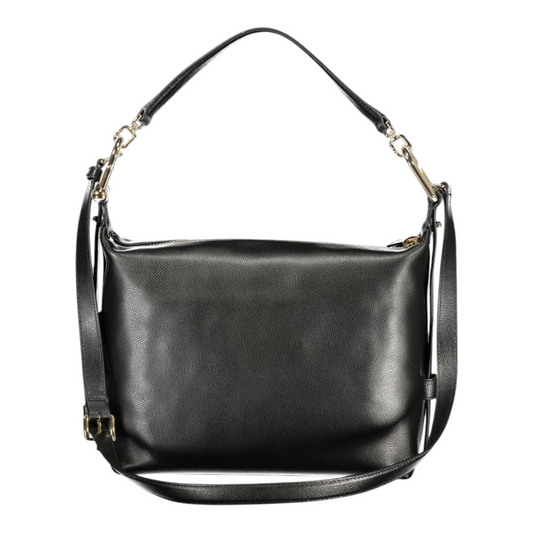
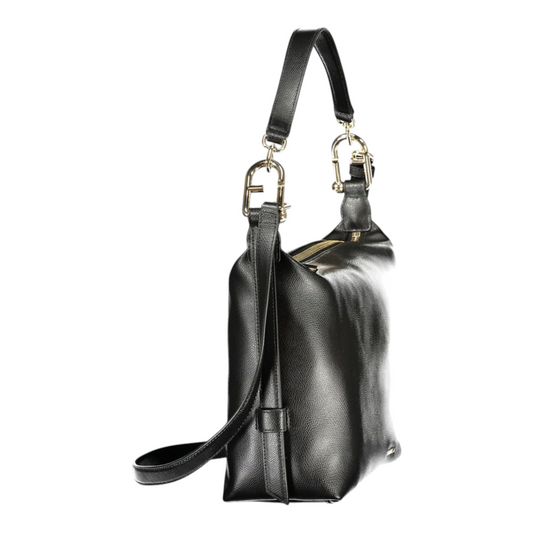
• Black: Works with everything, always. The most versatile choice for a professional wardrobe. The risk: it can feel conservative if your wardrobe is already neutral-heavy.
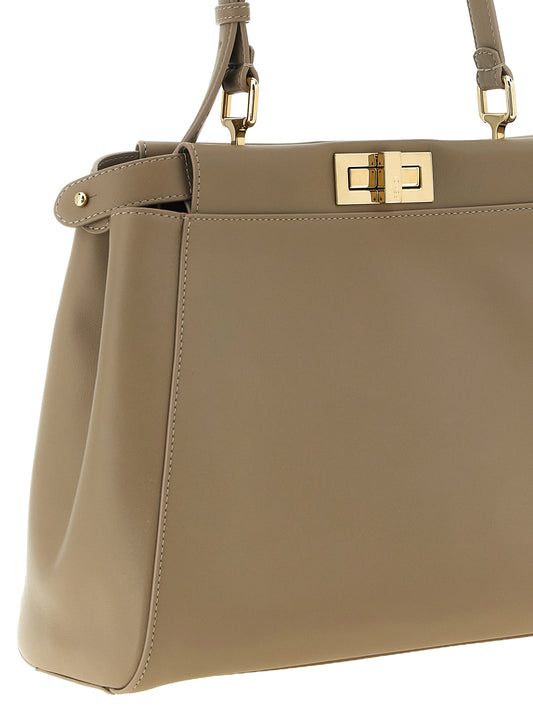
• Camel / tan: Warm, rich, and surprisingly versatile. Works with black, navy, white, and earth tones. A camel bag reads as more considered than black.
• Navy: Underrated. Works as a neutral with most palettes and reads as sophisticated rather than safe.
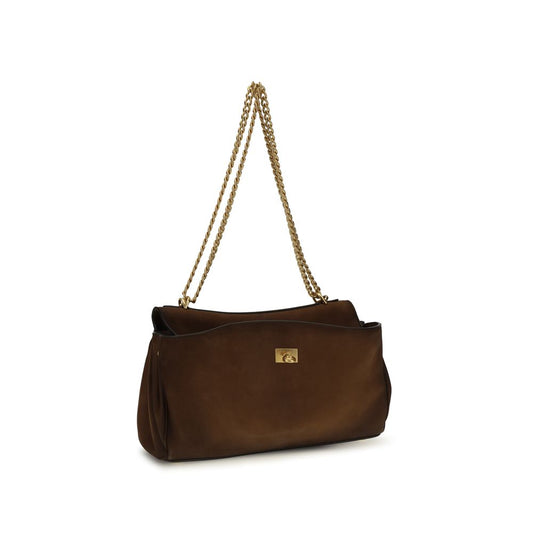
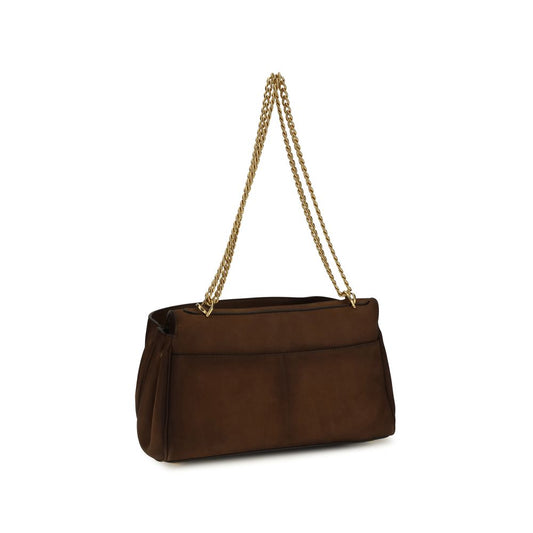
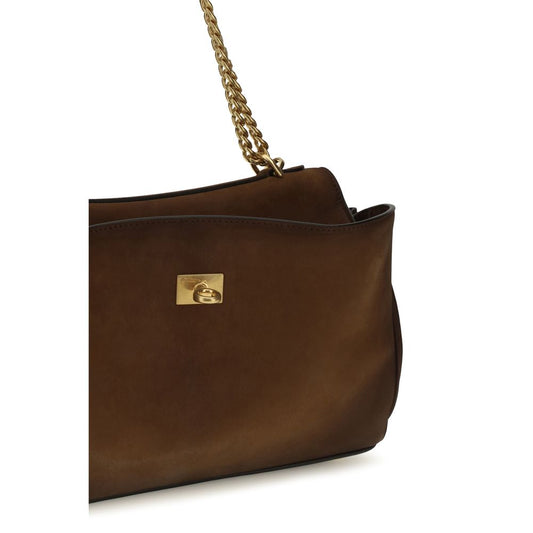
• Cognac / dark brown: Coming back strongly. Works particularly well with autumnal and earth-tone wardrobes.
When a colour bag makes sense
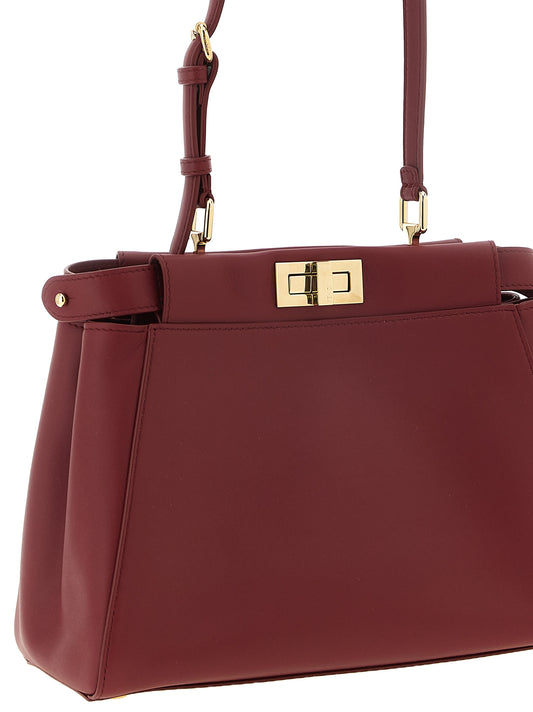
A coloured bag — burgundy, forest green, dusty rose — is a strong choice if you wear a lot of neutral clothing. A pop of colour from your bag is an easy way to elevate a simple outfit. The risk is that it works with fewer pieces in your wardrobe. If you are buying your second or third designer bag, colour is worth considering. If it is your first, be honest about whether you will reach for it daily.
|
The 80% rule: choose a colour that works with at least 80% of your existing wardrobe. If you have to think too hard about whether it goes with something, it probably does not. |
Your quick decision guide
Run through these three questions before you buy any bag:
|
Question |
If yes → |
If no → |
|
Does it fit how I actually live? |
Keep considering it |
Stop here. Wrong bag. |
|
Does it fit what I carry daily? |
Keep considering it |
Try a different size. |
|
Does it work with 80% of my wardrobe? |
Strong candidate |
Consider a more neutral colour. |
Not sure where to start?
Our First Designer Bag collection has been curated with exactly this framework in mind — versatile sizes, timeless silhouettes, and colours chosen to work across different wardrobes and lifestyles. Every piece in it has been selected because it answers yes to all three questions above.
And if you want a personal recommendation based on your specific wardrobe and lifestyle — write to us on WhatsApp before you buy. We are happy to help you think it through.
|
A well-chosen designer bag is an investment, not an impulse. |